

The enterprise integration landscape has a problem. After decades of digital transformation, organizations are drowning in APIs, SaaS tools, and cloud services—and the rise of AI agents has only made things more complicated. Naftiko is building a new approach: transforming fragmented integrations into governed, reusable business capabilities that work seamlessly with AI copilots and agents.
The Problem: API Sprawl Meets AI Ambition
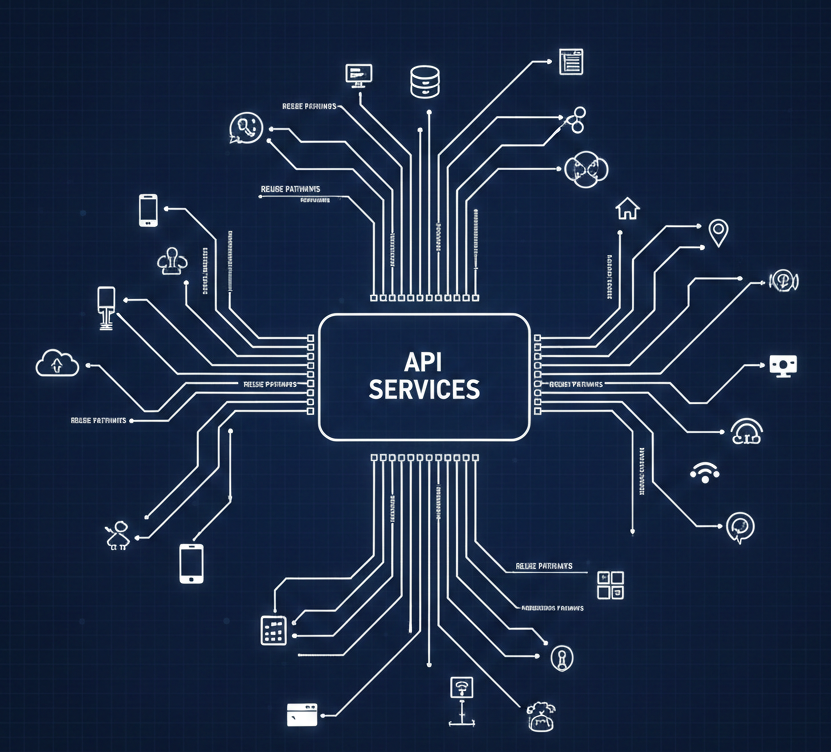
Every enterprise knows the pain. Hundreds (or thousands) of APIs spread across cloud providers, SaaS platforms, and internal systems. Different authentication methods, varying protocols, inconsistent documentation. It's been a growing headache for years.
Then AI arrived—and that headache became a migraine.
Organizations eager to deploy AI agents and copilots are discovering that the messy state of their integration landscape is now a blocker. How do you give an AI agent access to your business operations when those operations are scattered across dozens of disconnected systems? How do you maintain governance and security when the complexity is already overwhelming?
Naftiko's founders, Jerome and Kin Lane, have been hearing the same concerns from enterprise teams: uncontrolled costs, sluggish development velocity, and mounting risk. The current state of IT isn't just inefficient—it's actively hindering AI innovation.
A Capabilities-First Approach
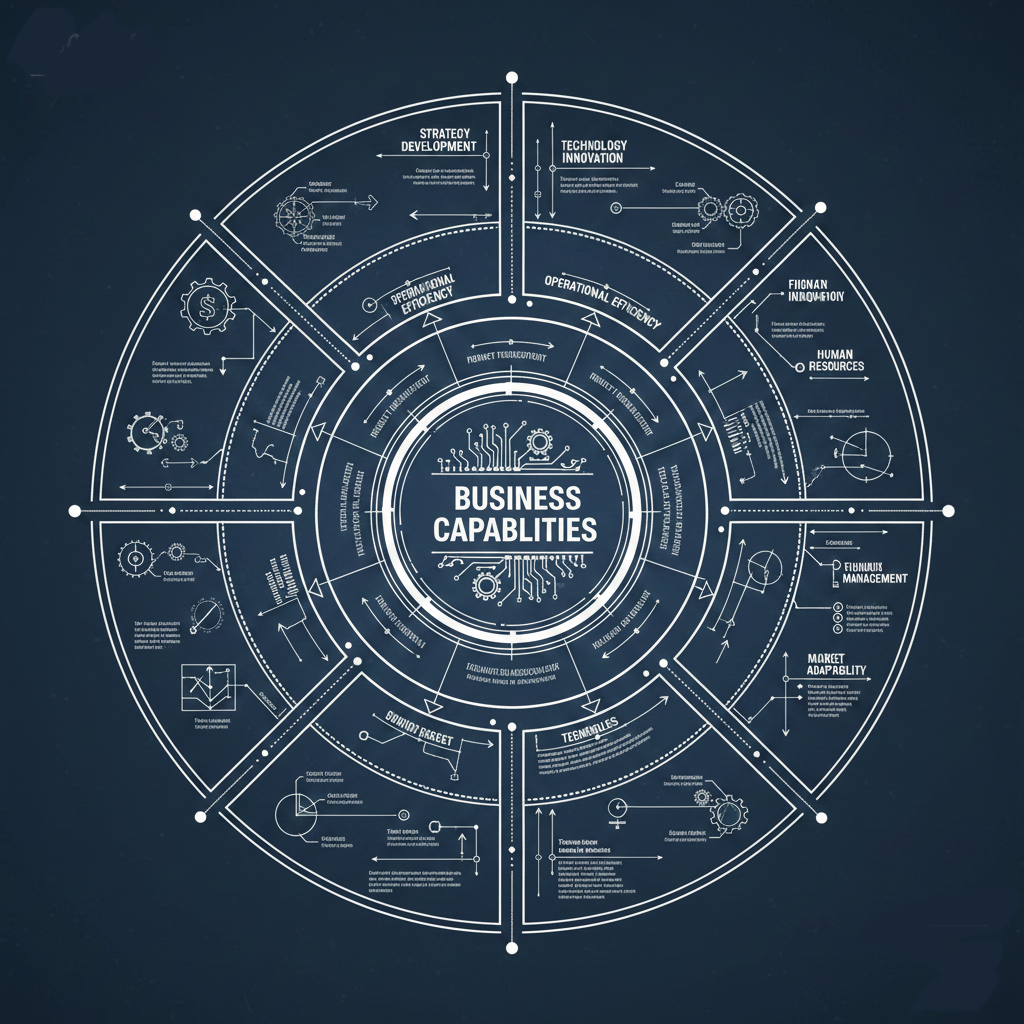
Naftiko's answer is to shift the conversation from "integrations" to "capabilities."
What's the difference? An integration is technical plumbing—connecting System A to System B. A capability is a business function: processing refunds, approving loans, validating customer identity. It's the why behind the connection, not just the how.
The platform allows teams to:
- Define capabilities declaratively using YAML or JSON configuration, meeting developers where they already work
- Organize by business domain so that sales, customer experience, and other teams can see and understand what's available
- Reuse existing API investments rather than rebuilding from scratch—whether those are public APIs, private services, or legacy systems
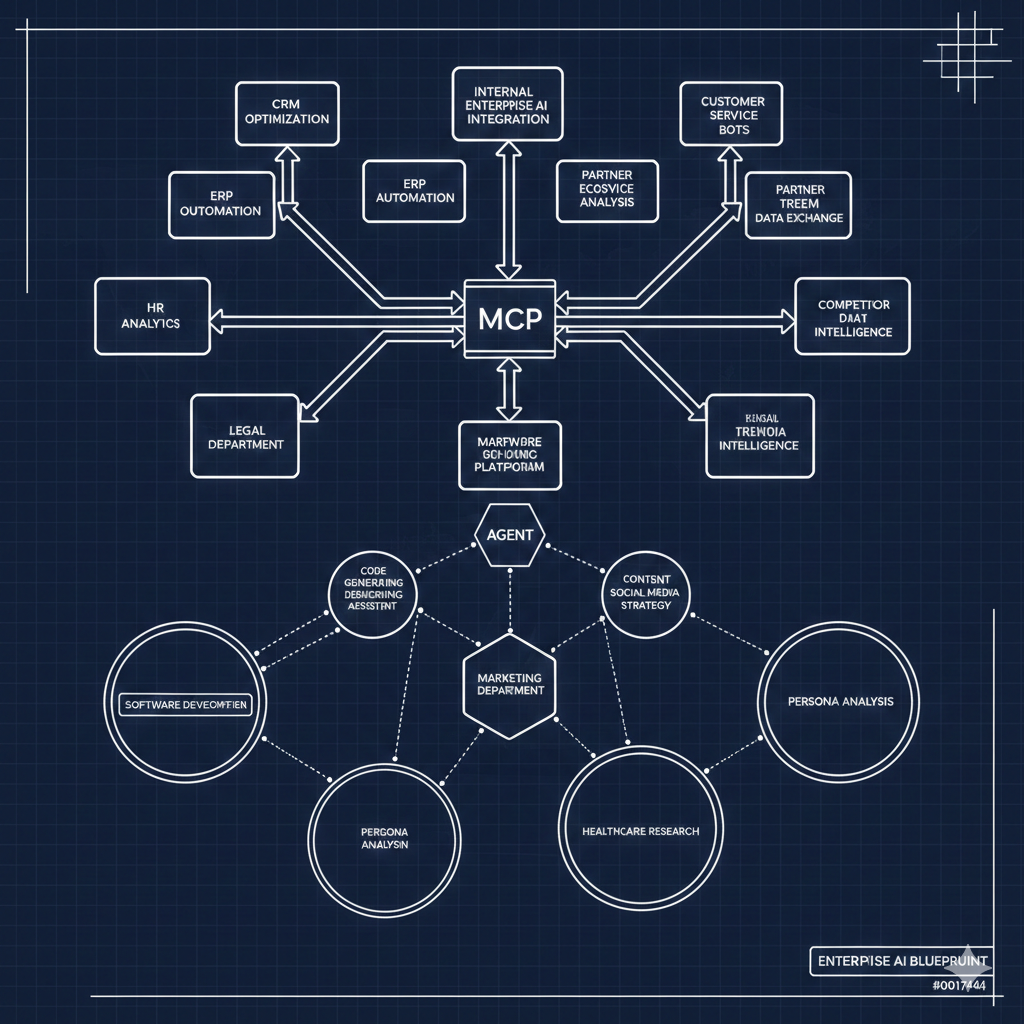
- Publish as MCP servers making capabilities immediately available to AI copilots and agents in tools like GitHub Copilot
This isn't about replacing your API gateway or throwing out your existing infrastructure. It's about adding a layer that makes sense of what you already have and makes it accessible for the AI-powered future.
Three Use Cases Enterprises Are Asking For
Based on conversations with early design partners, Naftiko has identified three primary use cases driving demand:
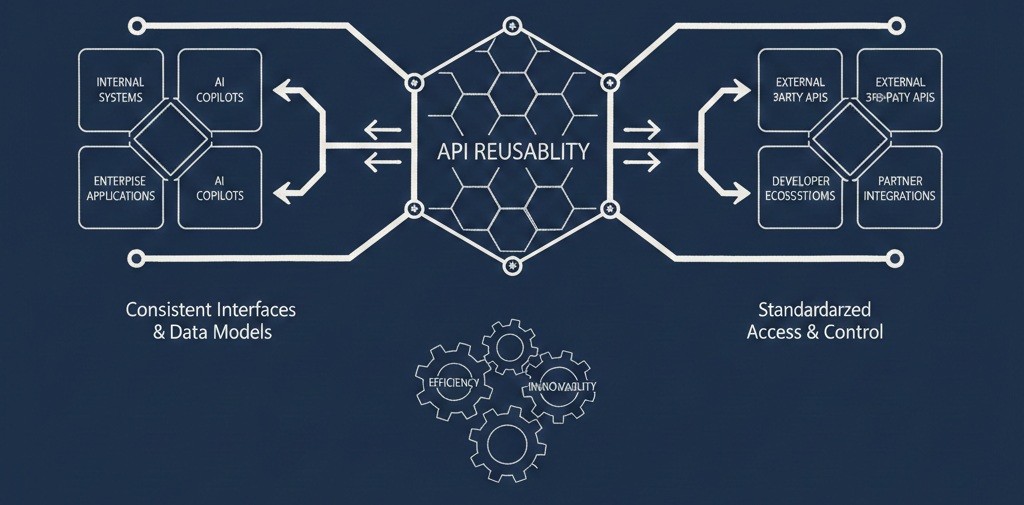
1. API Reusability Enterprises have invested heavily in their API infrastructure over the past 25 years. They don't want to reinvent the wheel for AI—they want to leverage what they've built. Naftiko lets teams take APIs from existing gateways (AWS API Gateway, Kong, and others) and distill them into capabilities that can be injected directly into developer workflows.
2. Context Engineering AI agents need context to be useful. That means taking scattered digital resources and reshaping them into coherent skills and capabilities the agent can use. Naftiko provides the framework for this transformation, turning raw API operations into meaningful business actions.
3. Agent Orchestration Once capabilities are defined, the next step is orchestrating them. Naftiko enables teams to automate workflows using an agent-driven approach, with governance guardrails built in from the start.
Built for Governance from Day One
Here's where Naftiko diverges from typical integration tools: governance isn't an afterthought—it's foundational.
Every capability includes:
- Full provenance tracking with audit records and architectural decision logs
- Policy enforcement allowing platform teams to set requirements like encryption standards or PII handling rules
- Lifecycle management from development through testing, production, and deprecation
- Built-in linting and documentation so developers get guidance without leaving their workflow
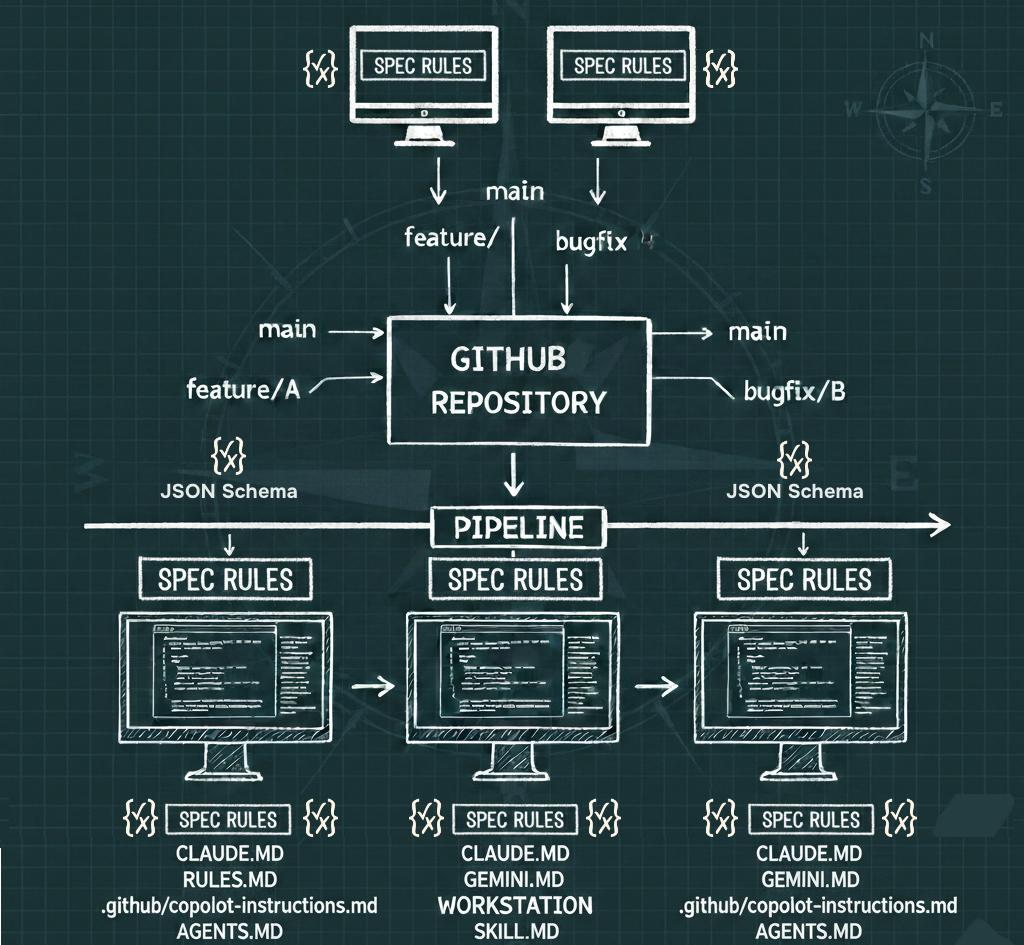
The platform uses a GitOps approach, meaning everything is version-controlled, open source, and manageable through standard developer tooling. Capabilities can be distributed through Backstage internal developer portals, keeping everything visible and discoverable across the organization.
Bridging the Gap Between Engineers and Business
One of the persistent challenges in enterprise integration is the disconnect between technical implementation and business understanding. Engineers build the connections; business leaders need the outcomes—but they often speak different languages.
Naftiko's capability model creates a shared vocabulary. When a capability is named "Process Customer Refund" rather than "POST /api/v2/transactions/refund," suddenly the business stakeholder can engage in the conversation. They can see which capabilities exist, which are in development, and how they're performing.
The platform provides views organized by business domain, showing how capabilities drive actual business outcomes. Where are the gaps? Which integrations are underperforming? This visibility helps align technical investment with business priorities.
The Technical Foundation
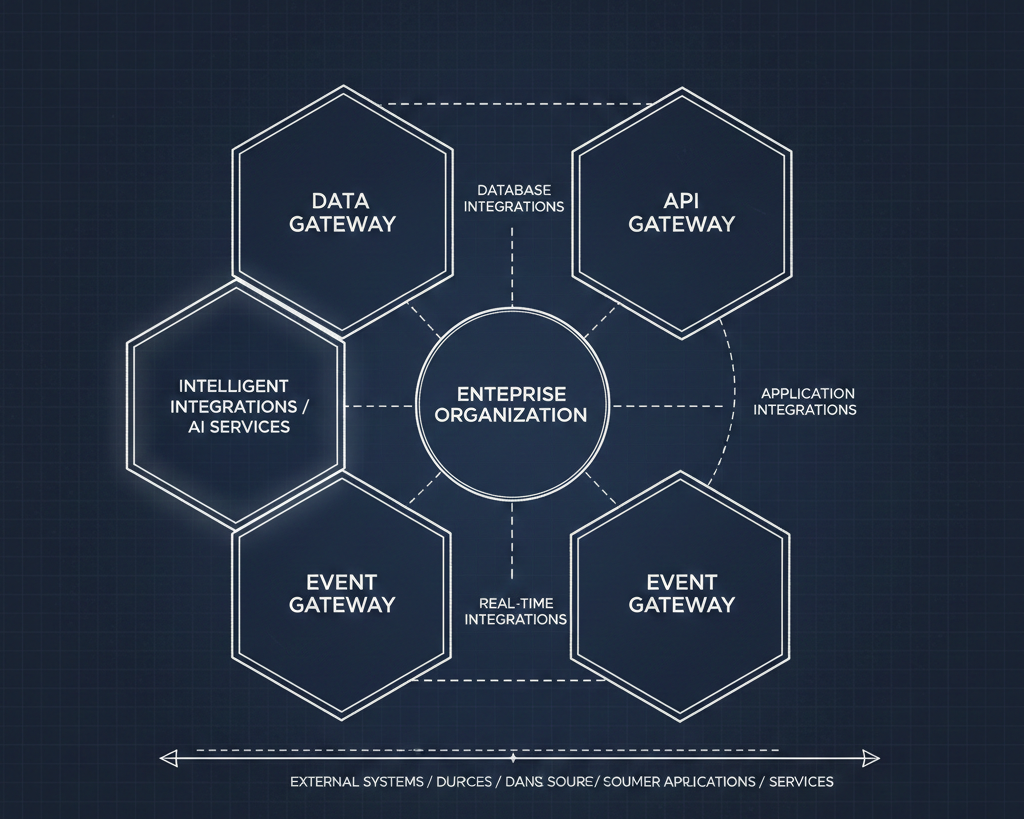
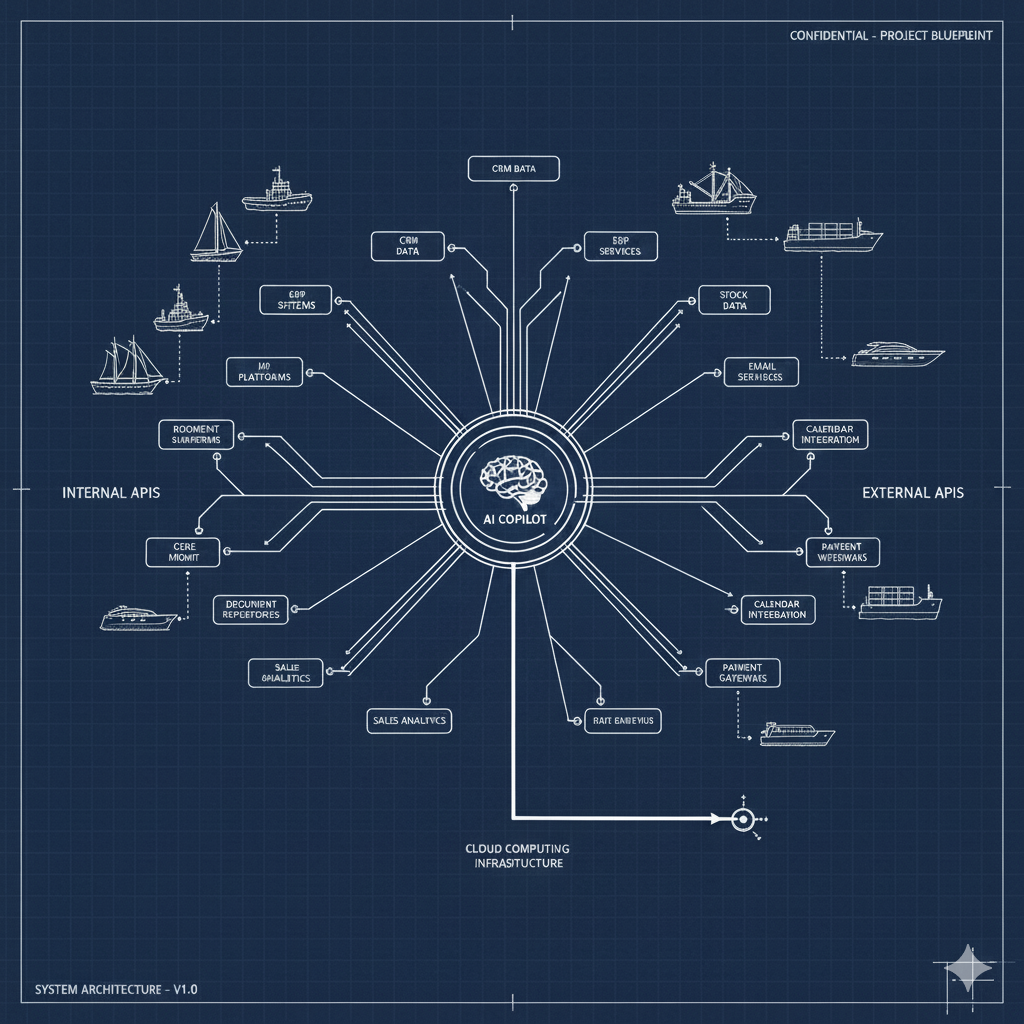
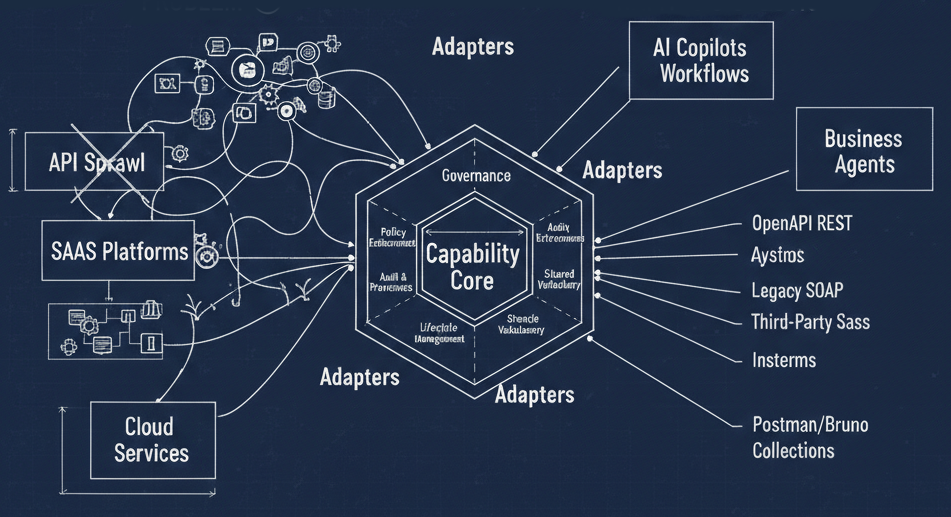
Under the hood, Naftiko uses a hexagonal (port-adapter) architecture. The core capability logic remains stable while adapters handle the messy reality of different protocols, authentication schemes, and data formats.
This means capabilities can connect to:
- Modern REST APIs using OpenAPI specs
- Legacy SOAP services
- Third-party SaaS with proprietary authentication
- Internal systems with custom protocols
- Postman or Bruno collections you already have
The abstraction layer handles the fragmentation so developers can work with a consistent interface regardless of what's underneath.
Who It's For
Naftiko targets organizations where API complexity has become a strategic problem—typically larger enterprises in regulated industries like financial services. These organizations have:
- Significant existing API investments they need to leverage
- Compliance and governance requirements that can't be ignored
- AI initiatives that are being slowed by integration complexity
- Platform teams looking to enable developers without losing control
The users are engineers and integration specialists. The buyers are heads of API platforms, heads of AI initiatives, and the business leaders who need these capabilities in their workflows.
A Standards-Driven Philosophy
Kin Lane, Naftiko's Chief Community Officer, brings deep experience from the API community (including four years as Chief Evangelist at Postman). That background shapes Naftiko's standards-first approach.
The platform speaks the languages enterprises already use: OpenAPI, JSON Schema, and emerging standards like A2A and MCP. Capabilities aren't a new proprietary format—they're a manifest that references and orchestrates existing standards. This reduces adoption friction and ensures compatibility with the broader ecosystem.
Looking Ahead
Naftiko is building toward a vision where enterprise capabilities become a true fabric—aligned with business domains, governed by policy, and ready for AI consumption. The current focus is on developer tooling and internal use cases, helping organizations get their API houses in order so they can move confidently into agentic AI.
For enterprises feeling the squeeze between AI ambition and integration reality, Naftiko offers a path forward: don't fight the sprawl, organize it. Turn the chaos into capabilities, and let your existing investments power your AI future.